Lore
The World of Dragon Ball Z: The Story Behind the Cards
A plain-language guide to the Dragon Ball Z story, its sagas, and its power-up mythology, for collectors who want to know what's on the card.
Dragon Ball Z was created by Akira Toriyama, published by Shueisha, and turned into the anime most collectors know through Toei Animation. Bandai has printed the cards for decades. If you shop our case and wonder why one card costs more than another, most of the answer is buried in the story.
We carry Dragon Ball Z cards. Here is the story, in plain language.
The basics
Dragon Ball Z follows Son Goku, a fighter raised on Earth who turns out to be an alien. He is a Saiyan, a warrior race from a destroyed planet, bred for combat and prone to getting stronger every time they survive a near-fatal beating. That single detail explains most of what happens across the whole series. Every major threat almost kills Goku or his allies, and every time, they come back harder.
Running alongside the fighting is a second engine: the Dragon Balls. Seven orange spheres, scattered across the world, that summon a wish-granting dragon when gathered together. Characters spend the series either protecting the Dragon Balls, hunting them for a wish, or racing to collect them before a villain does. They are why nobody in this universe stays dead for long, and why "just wish them back" is a running joke among longtime fans.
Earth's defenders are a small, strange team. Goku anchors it, but he is not alone. Vegeta starts the series as a Saiyan invader and spends the rest of it as a rival who never quite admits he has become a friend. Gohan is Goku's son, a reluctant fighter pushed into battles he would rather skip. Around them sit fan favorites like Piccolo, Krillin, and Bulma, plus a rotating cast of villains who define each era of the story: Frieza, the tyrant who destroyed Vegeta's home planet; Cell, a bio-engineered fighter built to absorb others and become "perfect"; and Majin Buu, an ancient creature of near-limitless power and almost childlike unpredictability.
If you know only a handful of names walking into a card shop, these are the ones worth knowing. They are also, unsurprisingly, the names that show up most often in our Dragon Ball Z case.
The fighters
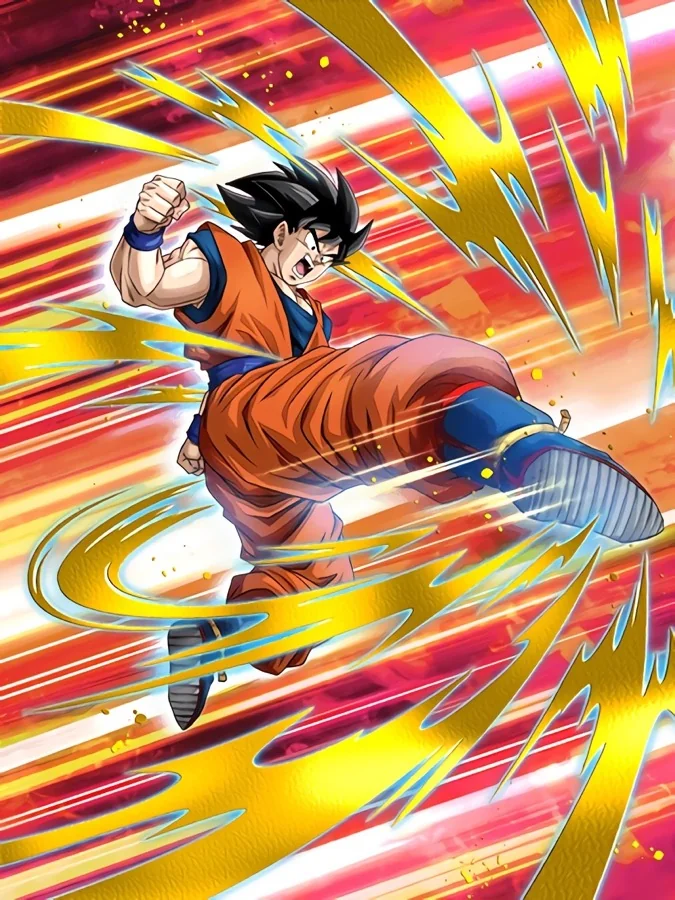
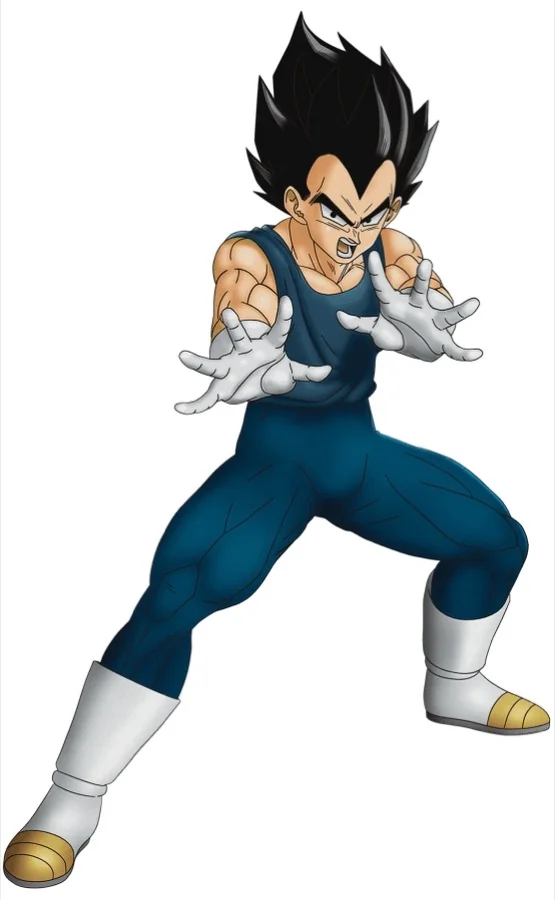
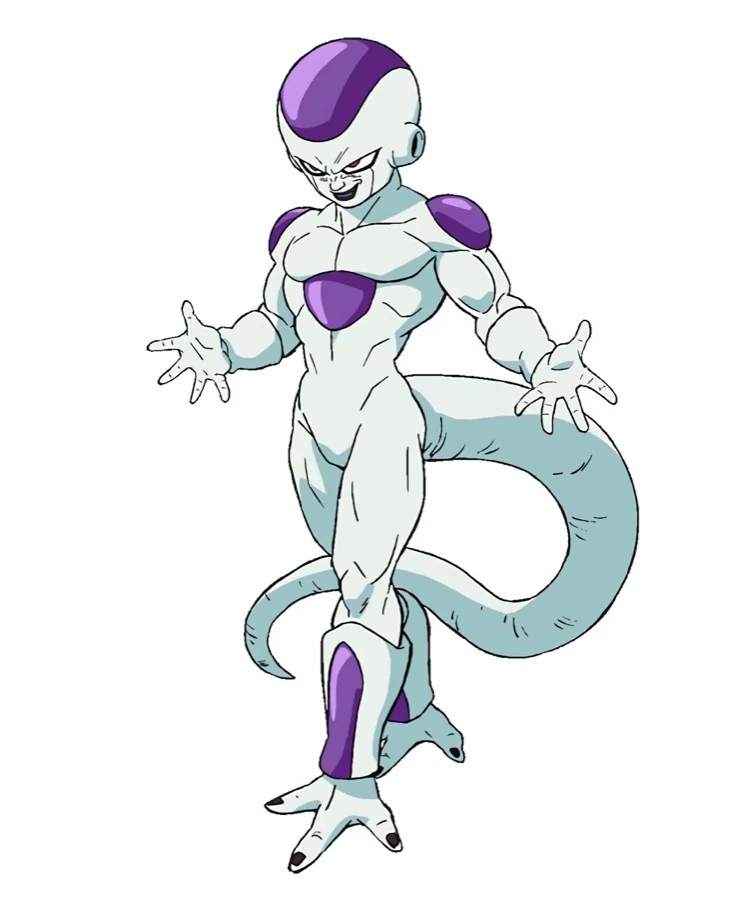
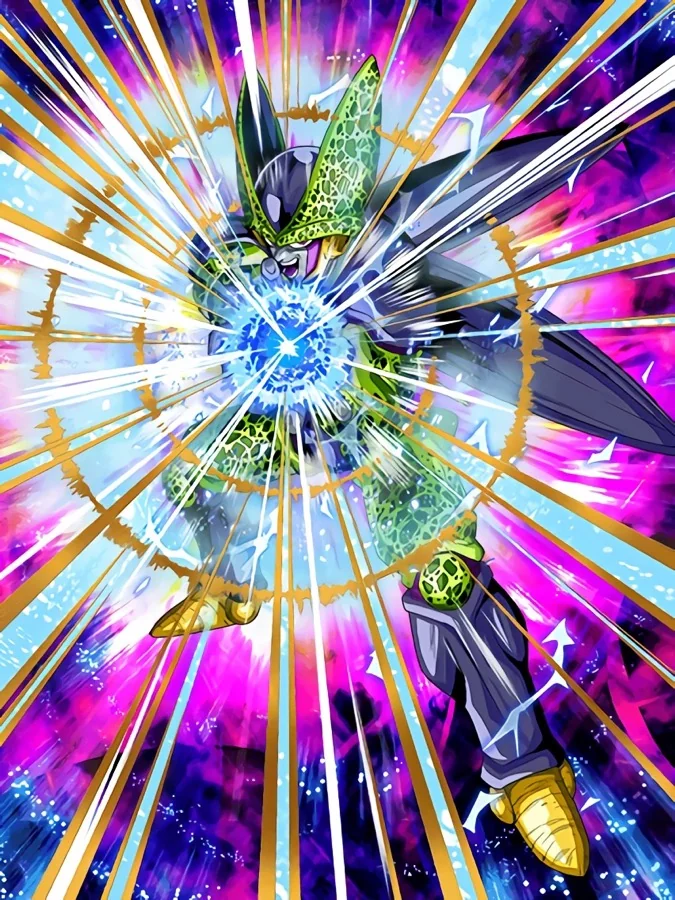
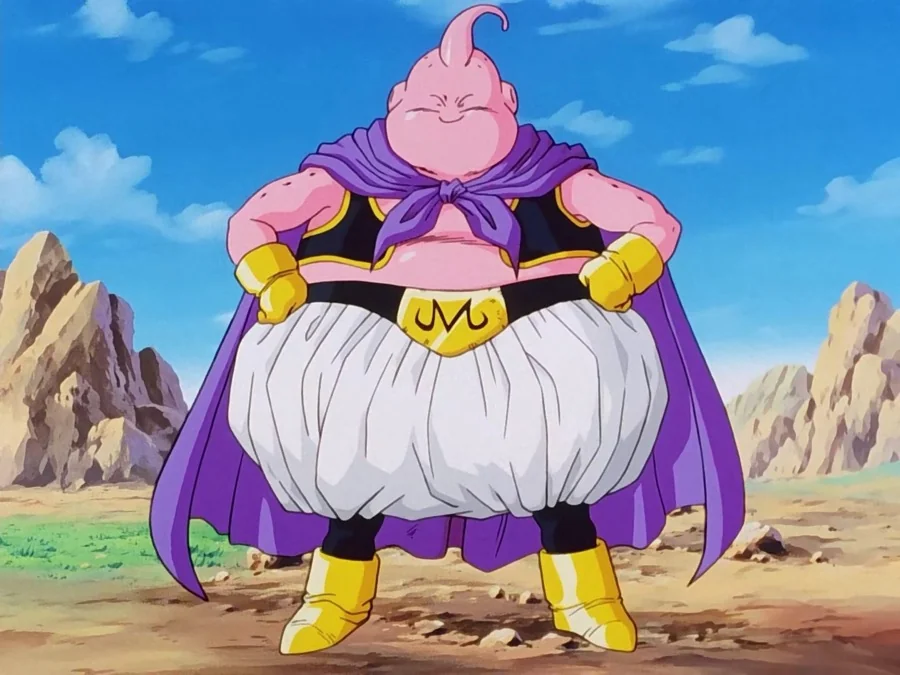
Official artwork, Akira Toriyama / Shueisha / Toei Animation / Bandai. Used here for editorial commentary on the characters featured in the trading card game.
In the case right now
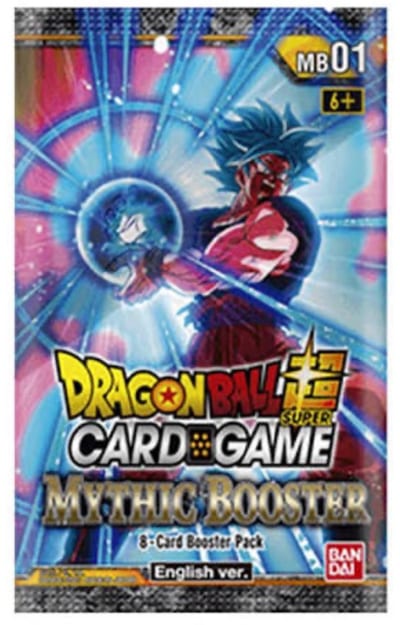
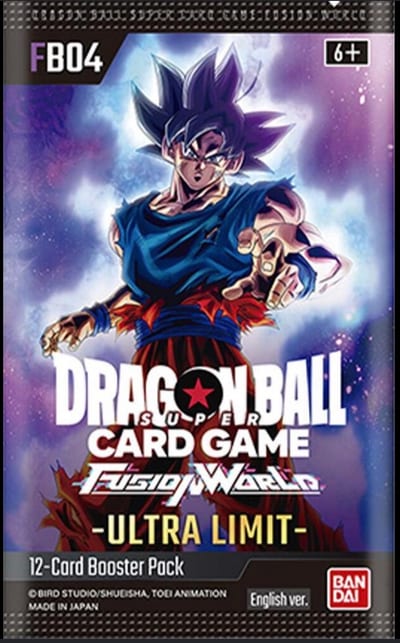
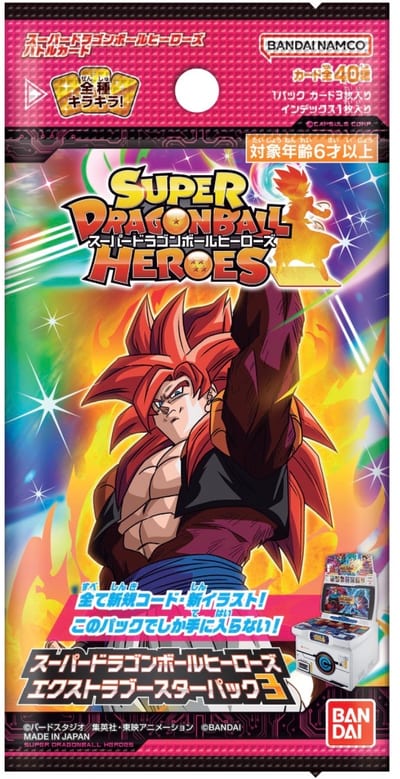
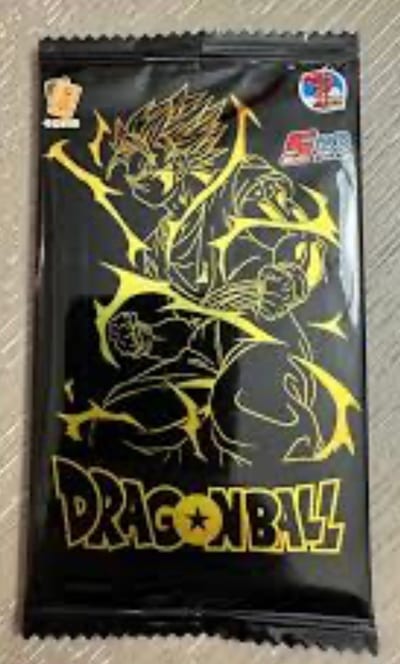
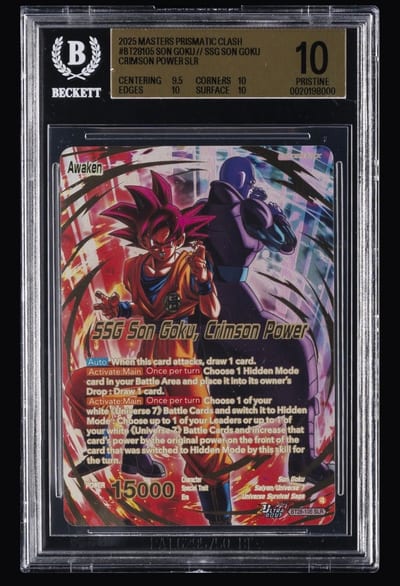
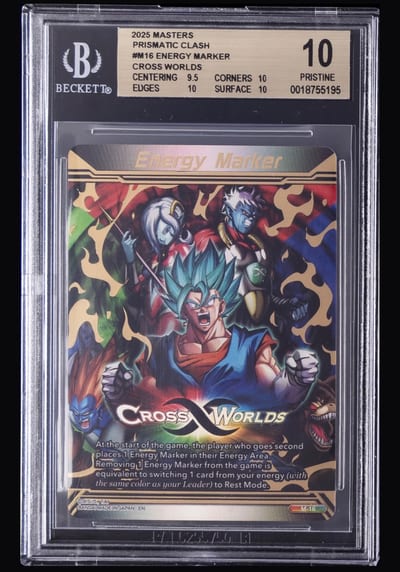
Real photos, pulled live from our shelf.
How the story actually unfolds
Dragon Ball Z is built out of a handful of major arcs, usually called sagas by fans, and each one raises the stakes past what came before.
The Saiyan Saga opens the series. Goku's brother Raditz arrives on Earth looking for him, revealing that Goku is a Saiyan who was sent to conquer the planet as a baby and simply forgot the mission after a head injury. Raditz's arrival kicks off a chain reaction: two more Saiyans, Nappa and Vegeta, invade Earth to finish the job. Goku dies fighting Raditz, trains in the afterlife, and returns just in time to help his friends survive Vegeta. It is a small-scale arc by the standards of what follows, but it sets the pattern for the entire series: outmatched heroes, a training arc, and a last-second turnaround.
The Namek and Frieza Saga is where the story goes cosmic. The action moves off Earth to the planet Namek, home of its own set of Dragon Balls, and introduces Frieza: a galactic tyrant who destroyed Vegeta's home world and now wants Namek's Dragon Balls for himself. This saga is the one most casual fans picture when they think of Dragon Ball Z. It is where Goku first transforms into a Super Saiyan, the golden-haired power-up that has since become the visual shorthand for the entire franchise. Frieza's fight with Goku is long, brutal, and treated by the story itself as a turning point in what the characters are even capable of.
The Cell Saga raises the stakes again with a villain built rather than born. Cell is a bio-engineered fighter assembled from the cells of past enemies, including Goku and Frieza, and designed to absorb other characters to reach his final, most powerful form. The saga culminates in the Cell Games, a tournament Cell hosts himself, where Goku makes the choice to step back and let his son Gohan fight in his place. Gohan's transformation into a new tier of Super Saiyan to finally beat Cell is one of the more quoted moments in the entire series.
The Majin Buu Saga closes out the classic run. Years after the Cell Games, an ancient wizard named Babidi revives Majin Buu, a being of enormous raw power with almost no restraint. Buu splits, multiplies, and absorbs other fighters over the course of the saga, forcing Goku, Vegeta, and eventually the whole cast to work together in ways the earlier, more individual sagas never required.
Running underneath all four sagas is the same mechanic: transformation. Super Saiyan, then Super Saiyan 2, then Super Saiyan 3, each one a visible, dramatic jump in power that the story treats as a genuine turning point rather than a costume change. That escalation is baked into how the franchise gets drawn and printed. A card showing a character at their peak transformation, in a key saga moment, is usually chasing the same instinct that made that moment matter to a reader or viewer in the first place. Collectors gravitate toward the characters and arcs that carry the most narrative weight: first transformations, saga-defining villains, and the handful of moments the whole series is built around. Knowing the story is what tells you which card that is.
We keep Dragon Ball Z cards in the case, stock changes often, and you are welcome to come look through what we have on the shelf.
FAQ
Who created Dragon Ball Z?
Akira Toriyama created the original manga, published by Shueisha. Toei Animation produced the anime, and Bandai has published the trading card sets.
What order do the Dragon Ball Z sagas go in?
Saiyan Saga, then the Namek and Frieza Saga, then the Cell Saga, then the Majin Buu Saga. Each one introduces a bigger threat and a higher tier of power than the last.
What is a Super Saiyan?
It is a transformation available to Saiyan warriors under extreme stress, marked by golden hair and a sharp jump in power. Goku is the first character to reach it, during the fight with Frieza, and later forms (Super Saiyan 2, Super Saiyan 3) push the concept further.
Does Relic Collectibles carry Dragon Ball Z cards?
Yes. We keep Dragon Ball Z in the case along with our other card games, and stock moves. Come look through what is on the shelf.