Lore
The World of Naruto: The Story Behind the Cards
The Naruto universe explained in plain terms - the hidden villages, chakra, the tailed beasts, and why collectors chase certain eras of cards.
Naruto cards show up in trade binders and want lists more than almost anything else we see at the counter. Most of the people bringing them in know the orange jumpsuit and the headband. Fewer know the story underneath it, and that story is a big part of why certain cards and certain characters get chased so hard.
Here is the world, in plain language.
The story in a nutshell
Naruto was created by Masashi Kishimoto and ran in Weekly Shonen Jump, published by Shueisha, from 1999 to 2014. The card art and the anime both pull from that manga.
The world runs on chakra, an inner energy every ninja trains to control and shape into techniques called jutsu. Chakra is the whole toolbox. It is how a ninja walks up a wall, breathes fire, copies another fighter's move, or summons something enormous. Ninjas are organized into hidden villages, each one tied to a country and led by a Kage, the strongest and most trusted ninja in that village. The five major villages are Konohagakure, the Hidden Leaf; Sunagakure, the Hidden Sand; Kirigakure, the Hidden Mist; Kumogakure, the Hidden Cloud; and Iwagakure, the Hidden Stone.
Above the villages sit the tailed beasts, nine massive creatures made of pure chakra, ranked by how many tails they carry. The strongest is the Nine-Tails, a fox sealed inside the story's main character at birth. A ninja who carries one of these beasts is called a jinchuriki, and that role shapes a person's entire life, usually for the worse before it gets better.
The main character is Naruto Uzumaki, the Nine-Tails' jinchuriki, an orphan written off by his own village who spends the whole series trying to earn respect and eventually become Hokage, the leader of the Hidden Leaf. His team, Team 7, is built around three other names collectors know on sight: Sasuke Uchiha, a gifted rival chasing revenge for his own family; Sakura Haruno, a teammate who grows from the weakest of the three into one of the story's strongest medical ninja; and Kakashi Hatake, their teacher, a battle-scarred veteran who becomes one of the series' most recognizable faces. One more name looms over all of them without even being on the team: Itachi Uchiha, Sasuke's older brother, whose choices set most of the plot in motion.
The ninja
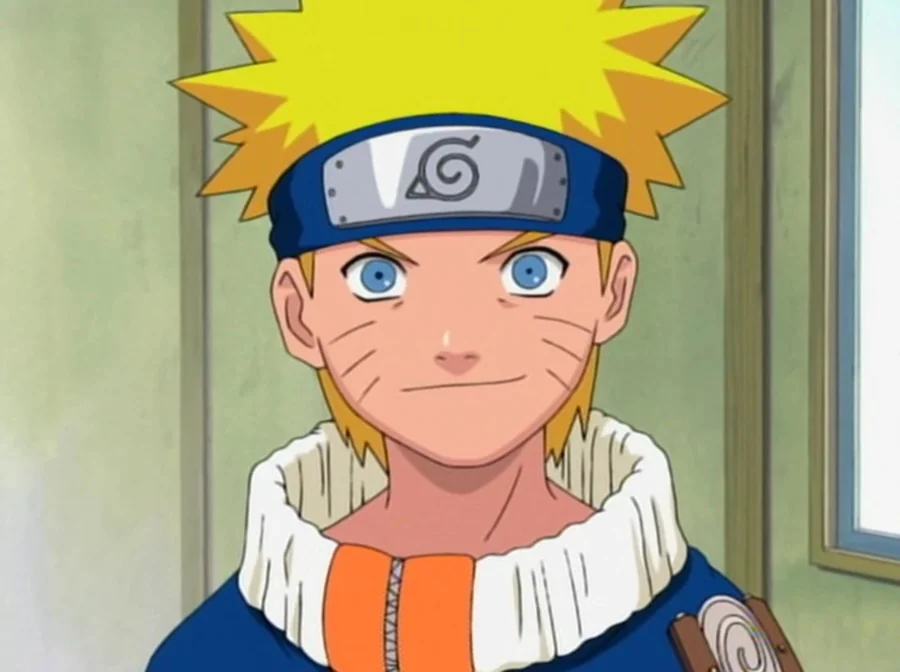
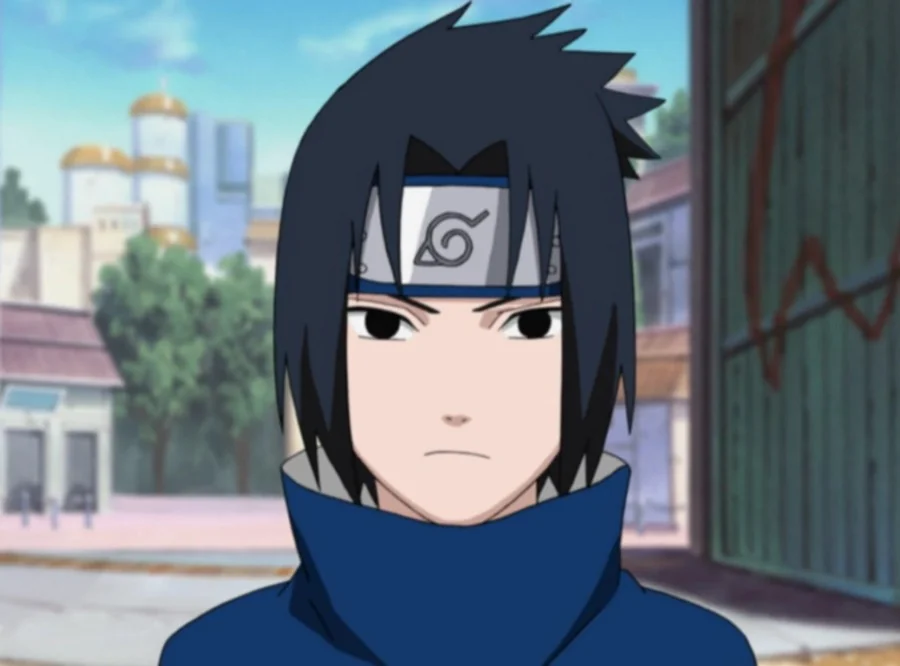
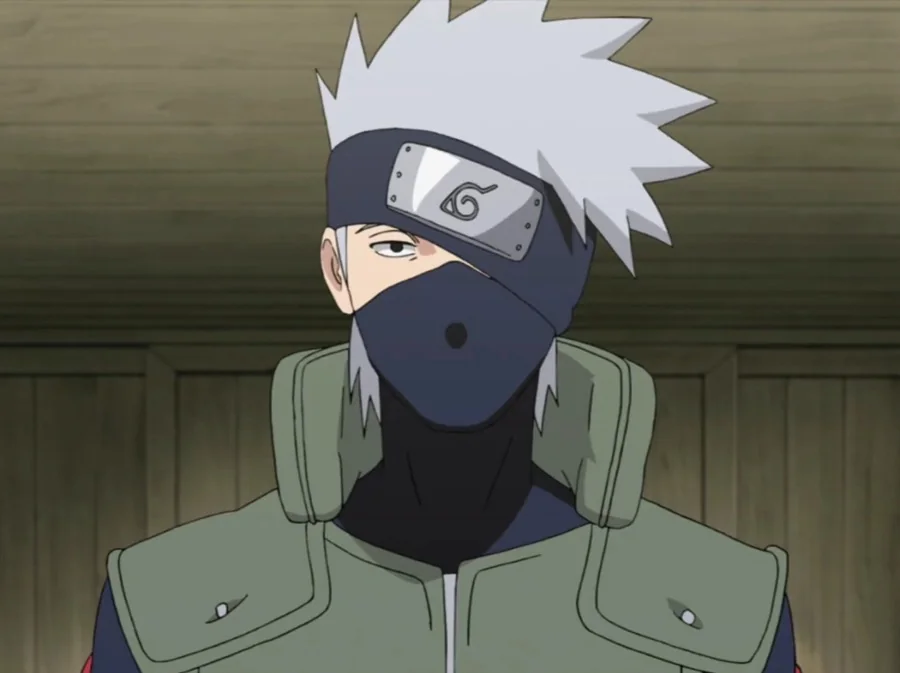
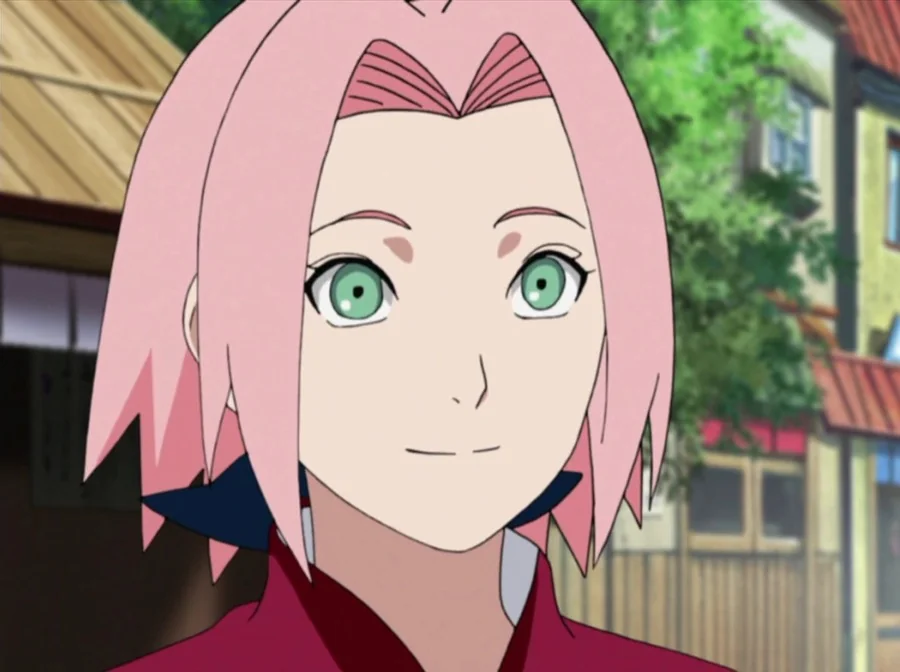
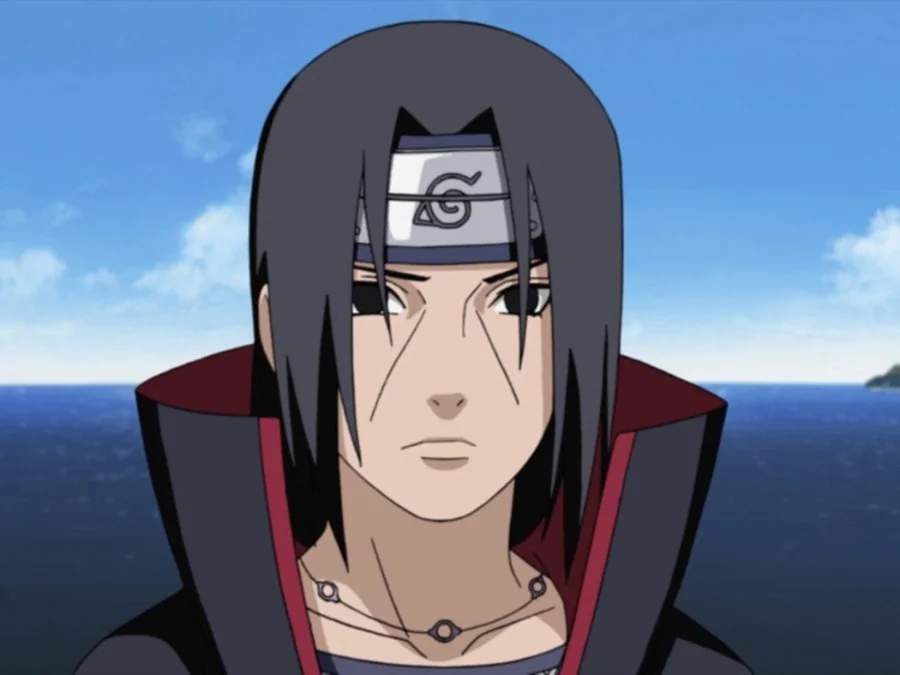
Official artwork, Masashi Kishimoto / Shueisha. Used here for editorial commentary on the characters featured in the trading card game.
In the case right now
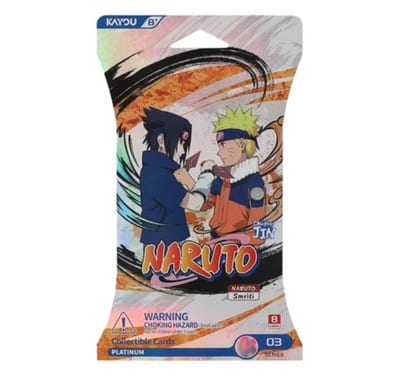
Real photos, pulled live from our shelf.
The bigger world, and why collectors chase certain cards
The five hidden villages are not just settings. They spend most of the story's early history at war with each other, and that history is the backbone of everything that happens later. Before the series begins, the villages fought three separate Great Ninja Wars over land, power, and the tailed beasts, and those wars left grudges that outlast the treaties. Konoha and Suna start the story as uneasy allies. Kiri has its own dark history of forcing children to kill each other to graduate as ninja, a past the village spends the series trying to live down. Every village guards its own techniques and bloodlines and does not share them, which is part of why an outsider learning a rival village's signature jutsu is treated as a huge deal whenever it happens.
The first arc most new fans meet is the Chunin Exams, a multi-stage tournament where ninja teams from different villages compete to be promoted a rank. It looks like a school tournament on the surface. Underneath, it is where the story introduces a huge slice of its cast at once, sets up rivalries that last the whole series, and ends with a village invasion that changes the political map. It is also the arc most collectors point to as their entry point into the hobby, since it is packed with fan-favorite characters getting their first real spotlight.
From there the story widens fast. The Akatsuki is an organization of rogue ninja, most of them missing-nin who abandoned their home villages, working toward a plan that involves hunting down every tailed beast and its jinchuriki, one at a time. Members like Itachi Uchiha and Kisame Hoshigaki move through the story as some of its most memorable villains, and the group's slow reveal of who they are and what they actually want is one of the manga's better long cons. Chasing down the Akatsuki, and eventually understanding why Itachi did what he did, drives a huge stretch of the second half of the series.
Everything eventually funnels into the Fourth Great Ninja War, the story's largest arc. A masked enemy declares war on the entire ninja world, and for the first time the five great villages set aside their history and form a single Allied Shinobi Forces to fight a shared threat instead of each other. Nearly every character introduced across the whole series shows up somewhere in this arc, which is exactly why it matters to collectors. It is the closest thing the franchise has to an all-star roster in one place.
That history is a big part of why some cards and characters pull more attention than others. Characters tied to the earliest arcs, the original Team 7 lineup, and the Akatsuki's most iconic members tend to be the names people specifically ask for, because they were the faces of the series before most fans had even gotten deep into the plot. Vintage-era product from the original English and Japanese print runs carries that same weight. It represents the first wave of Naruto as a card game, printed while the manga and anime were still airing new episodes every week and the franchise was at its biggest in pop culture. A card does not need flashy foil to get chased. It needs to be tied to a character or a moment that people already cared about before they ever saw the card.
We keep a small Naruto shelf on purpose, not a wall of it. If you are after something specific from this world, tell us and we will watch for it. You can see what is currently in the case on our Naruto shelf. Stock moves and changes fast, and the count on the site is the real one.