Lore
The World of One Piece: The Story Behind the Card Game
The story, world, and characters behind One Piece, explained in plain language for collectors who know the cards but not the manga.
A lot of people collect One Piece cards without ever reading the manga. That is fine. But knowing the story behind the art makes the cards mean more, and it helps you understand why certain characters show up on chase cards over and over.
Here is the world, in plain language.
The story in a nutshell
One Piece was created by Eiichiro Oda and has run in Weekly Shonen Jump since 1997. Bandai turned it into a trading card game decades later, and the card art pulls straight from that manga and its anime adaptation.
The premise is simple. Years ago, the most feared pirate who ever lived, Gol D. Roger, was executed by the government. Before he died, he announced that he had hidden the greatest treasure in the world, called the One Piece, somewhere out on the Grand Line. That announcement kicked off the "Great Pirate Era." Every pirate crew sailing the seas is chasing that treasure.
The main character is Monkey D. Luffy, a teenager who ate a Devil Fruit that turned his body to rubber and wants to become the next Pirate King. He builds a crew, the Straw Hat Pirates, one member at a time. The best-known names on that crew are Zoro, a swordsman training to be the best in the world; Nami, the navigator; Usopp, the sniper; Sanji, the cook; and later additions like Chopper, Robin, Franky, Brook, and Jinbe. Each one joined for their own reason, and each one gets their own arcs and their own moments in the spotlight, which is why nearly every crew member has fan-favorite cards.
The setting is the Grand Line, a dangerous ocean belt that circles the globe, split into a first half and a much harder second half called the New World. Getting there means passing through the calmer waters of East Blue, where the story starts. Along the way the crew runs into some of the manga's most recognizable villains, like Arlong, Crocodile, and eventually much bigger threats tied to the World Government itself.
That is the surface layer. The deeper you go, the more political and personal the story gets, and that is where most of the card game's best chase characters come from.
The crew
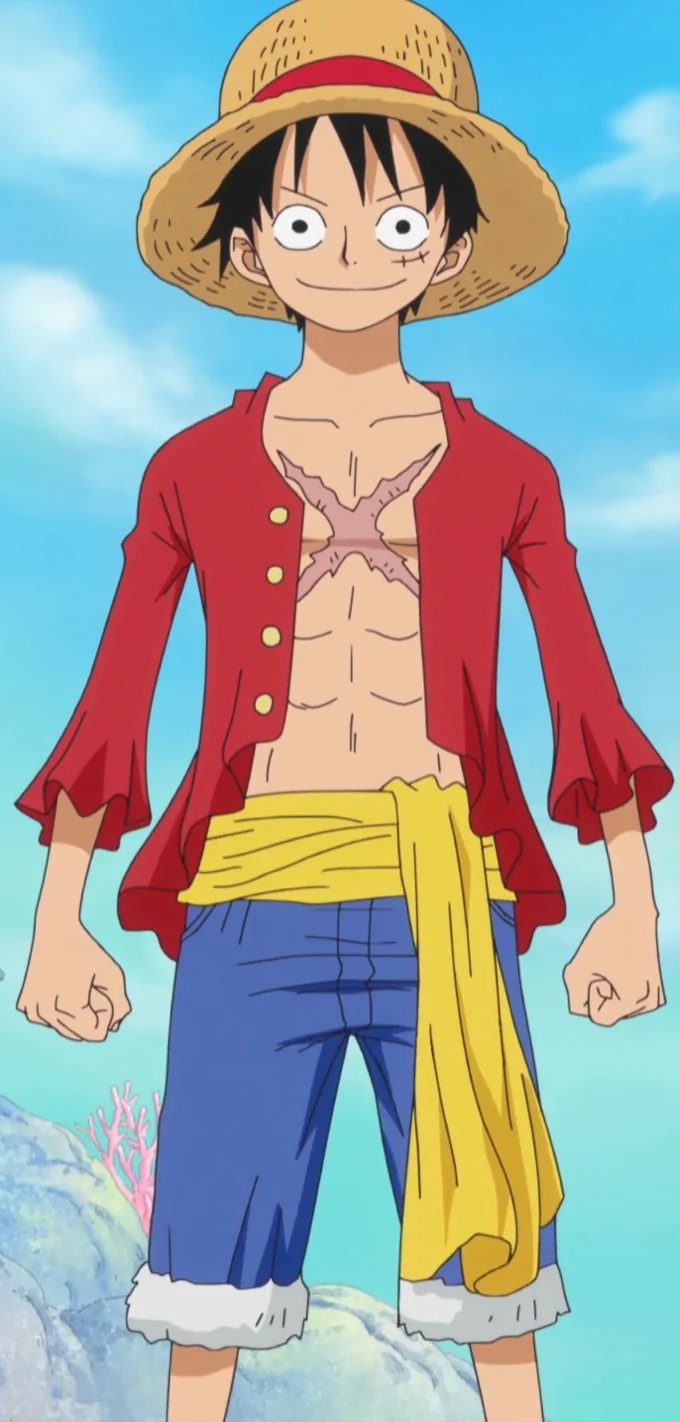
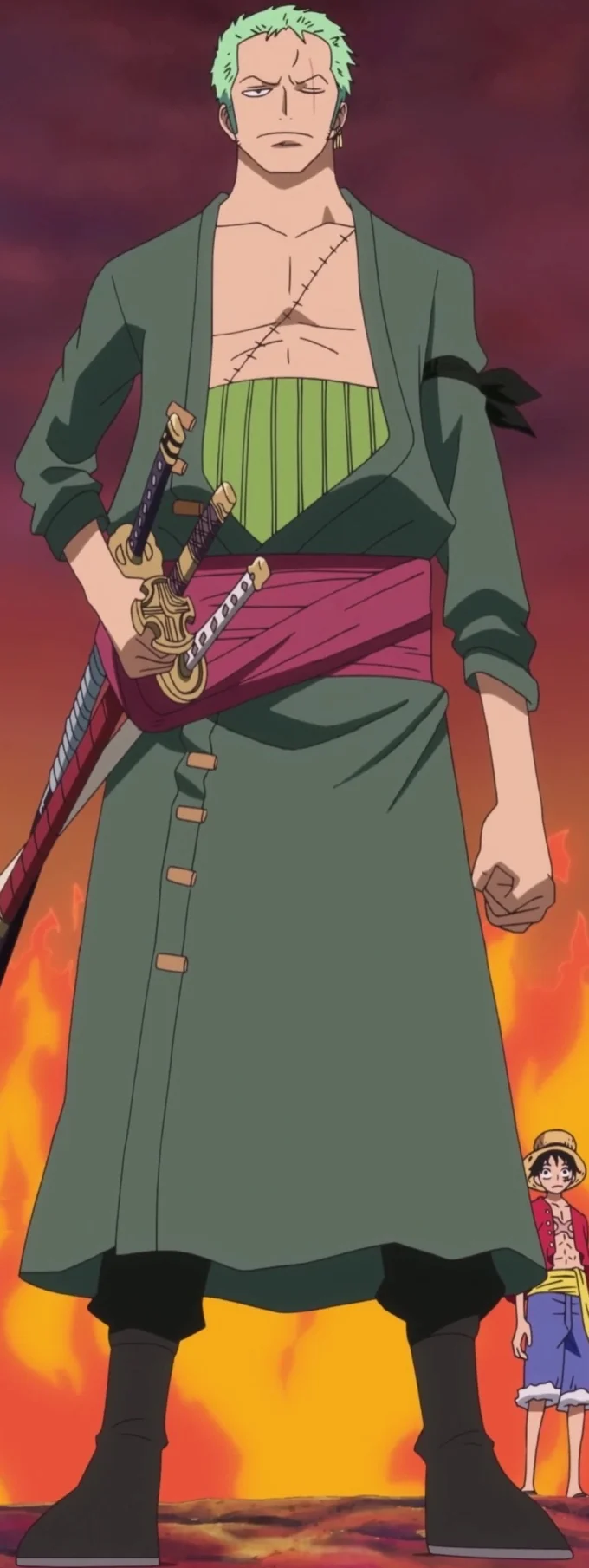
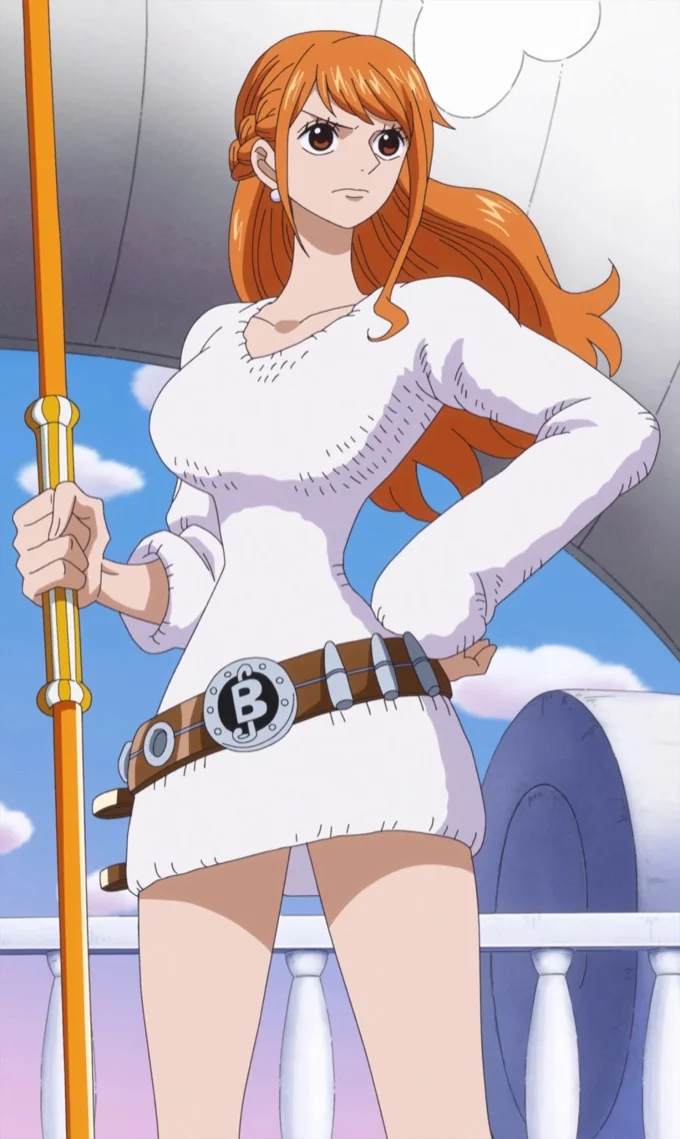
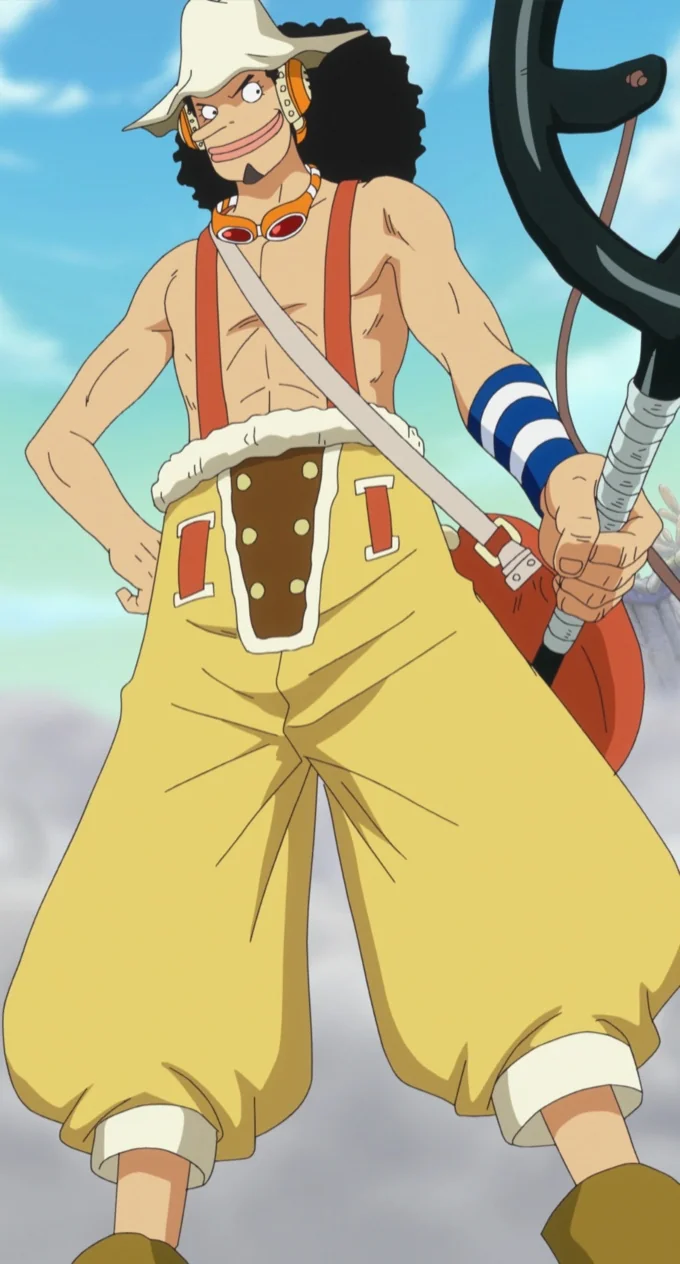
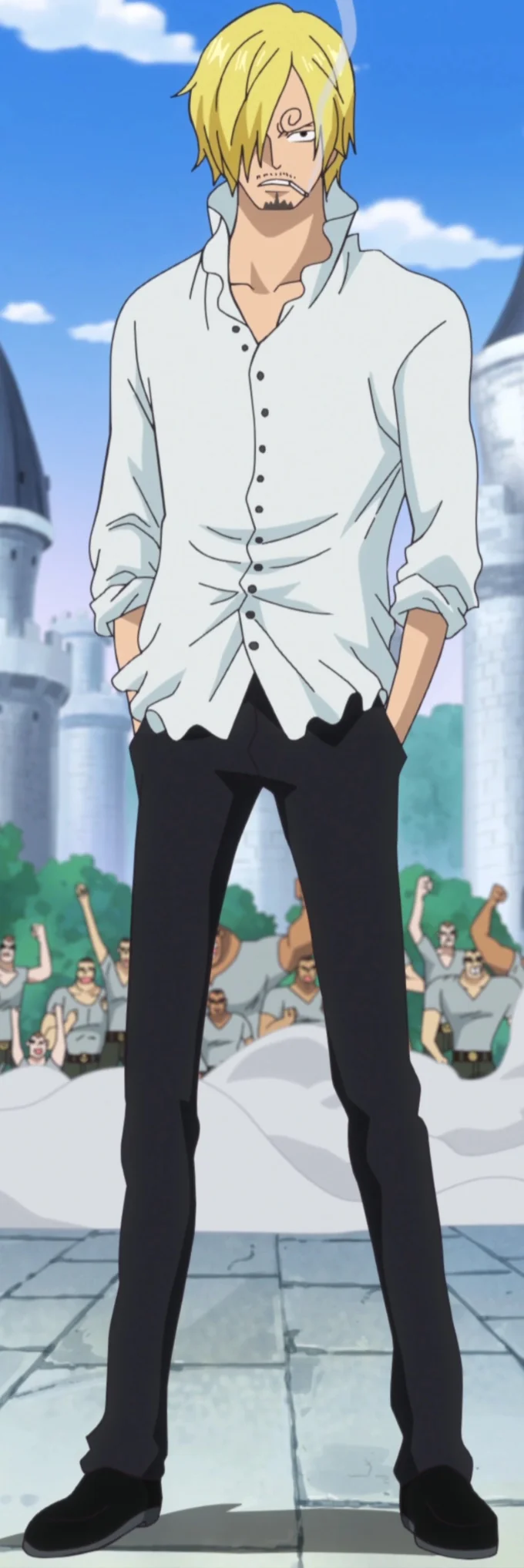
Official artwork, Eiichiro Oda / Shueisha / Toei Animation. Used here for editorial commentary on the characters featured in the card game.
The world
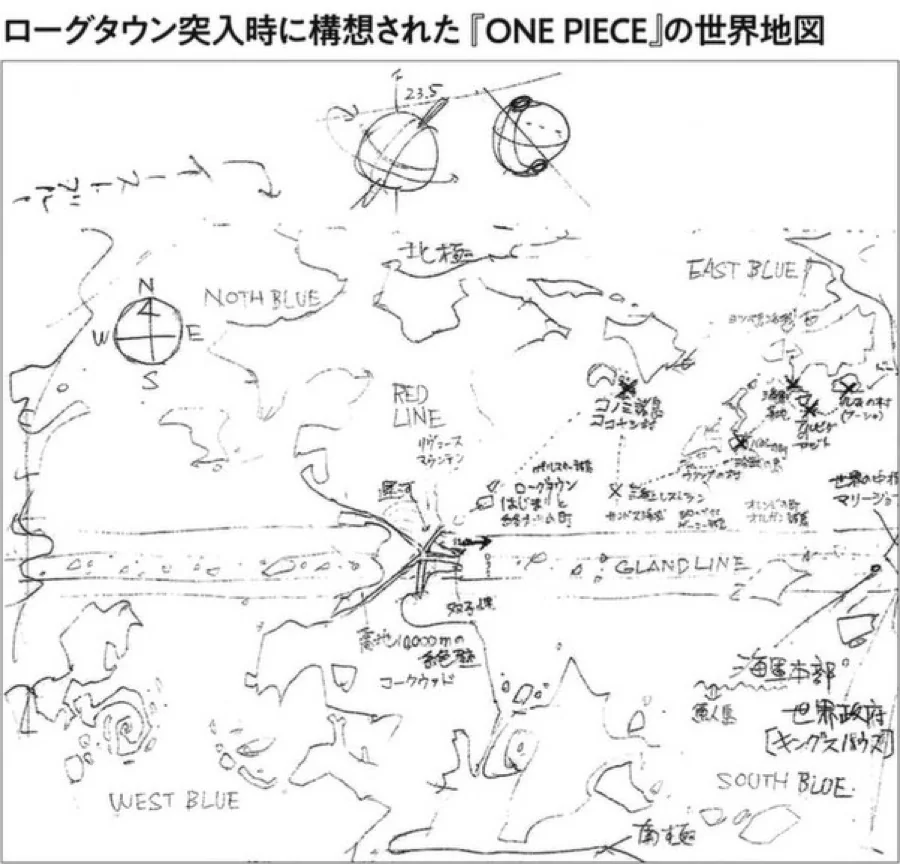
Official concept map from One Piece Magazine Vol. 9, Eiichiro Oda / Shueisha. Used here for editorial commentary on the setting behind the card game.
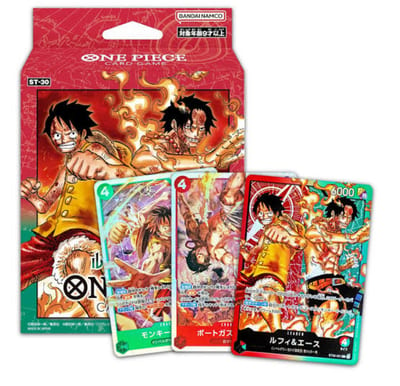
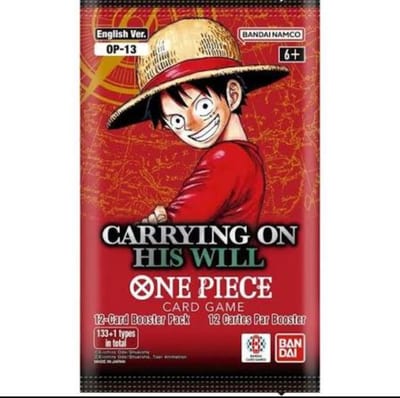
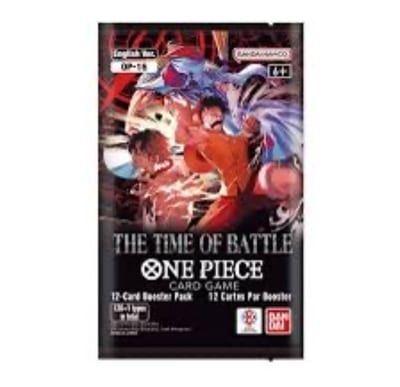
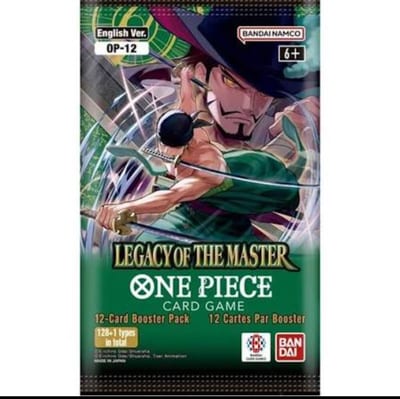
In the case right now
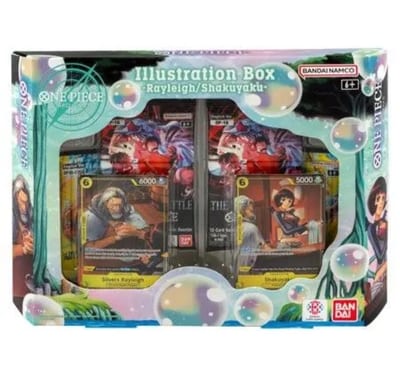
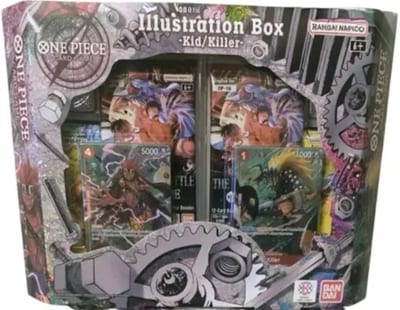
Real photos, pulled live from our shelf.
The bigger world, and why collectors chase certain cards
One Piece is a long story, and it is easier to follow if you think of it in chunks. Fans generally group the manga into sagas: East Blue, Alabasta, Sky Island, Water 7, Thriller Bark, the Summit War, Fish-Man Island, Dressrosa, Whole Cake Island, Wano Country, and the current Final Saga. Each saga is made up of smaller arcs, and each arc usually means a new island, a new set of local characters, and a new fight that changes the bigger story. This is also why the card game gets released in sets that mirror those same arcs and characters. If you know which saga a set is drawing from, you know roughly what to expect in the box.
The world outside the Straw Hats is built on three power blocks that spend the whole series pushing against each other.
The Marines are the World Government's military. They range from local patrol ships all the way up to Admirals, who are some of the strongest fighters in the story. The Marines exist to keep pirates in check, and their top officers are recurring characters across almost every major arc.
The Four Emperors, or Yonko, are the most powerful pirates alive. Each one commands a massive crew and effectively rules territory in the New World the same way a head of state would. Names like Shanks, Whitebeard, Big Mom, Kaido, and Blackbeard carry weight in the story specifically because they operate on that level, and Luffy's own rise into that tier late in the story is one of the biggest turning points in the whole series.
For a long stretch of the manga there was also a third group, the Seven Warlords of the Sea, or Shichibukai. These were powerful pirates who agreed to work for the World Government in exchange for a pardon on their crimes, which let the government use them to help balance out the Emperors. Characters like Boa Hancock, Donquixote Doflamingo, and Dracule Mihawk held these positions. The system was abolished after the Dressrosa arc, and it is one of the more important political shifts in the back half of the story.
Above all of it sits the World Government, the shadowy body that runs most of the known world, sets the rules for the Marines, and has its own secrets it does not want pirates or ordinary people finding out about. A lot of the manga's biggest reveals come from peeling back a layer of what the World Government has been hiding.
So why do certain characters and arcs get chased so hard in the card game? It usually comes down to the same handful of reasons. A character sits at the top of one of those power structures, like an Emperor or an Admiral. An arc is a major turning point in the story, like Marineford or Wano. Or a character is simply beloved and has been central to the story since the early volumes, like Luffy, Zoro, or Nami. Sets built around those moments tend to get more attention from collectors, because the card is standing in for a scene players already care about.
You do not need to have read the manga to enjoy the card game or to collect it. But once you know who Luffy is trying to become, what the Grand Line actually is, and why an Emperor's card hits different than a background character's, the shelf makes a lot more sense.
We carry current One Piece Card Game product in Edmond. Come see what's in the case on our One Piece shelf.