Lore
The World of Pokemon: What Every Card Is Actually About
The Pokemon universe explained in plain terms - the regions, the characters, the eras, and why collectors chase certain cards over others.
Most people who buy a pack of Pokemon cards know the basics. Pikachu is the mascot. Charizard is the big one. Somewhere out there is a kid with a backpack catching monsters.
That is not wrong. It is just the surface. There is a full story underneath every card in our case, and knowing it makes the hobby a lot more interesting.
The world, in short
Pokemon are creatures with elemental powers. Fire, water, electricity, grass, and a long list beyond that. People called Trainers catch them, raise them, and battle them one on one. Neither side gets hurt in a real fight the way a person would. A Pokemon that loses just faints, and a good Trainer gets it back in fighting shape.
The world is built out of regions, each one its own country in miles but skinned like a real place. Kanto came first, styled after the Kanto area of Japan. Johto, Hoenn, Sinnoh, Unova, Kalos, Alola, Galar, and Paldea followed over the years, each with its own map, its own creatures, and its own version of the same basic loop: travel, catch, battle, grow.
The loop has a goal attached to it. Every region runs a Pokemon League. Trainers fight eight Gym Leaders for badges, then face an Elite Four and a Champion at the end. Beat the Champion and you are the best in that region, at least until someone else shows up.
The character most people can name is Ash Ketchum, a kid from Pallet Town in Kanto who set out with a stubborn electric mouse named Pikachu and spent decades chasing that Champion title across nearly every region in the games. He finally won it in 2023, beating the reigning World Champion in a tournament that pulled together rivals and champions from across the entire series. The anime then handed the lead role to two new Trainers, Liko and Roy, who explore the world without being obsessed with battling the way Ash was.
Then there are the Pokemon themselves that a non-collector still recognizes on sight. Charizard, a fire dragon that started as a starter Pokemon and became the single most requested card in the hobby. Mewtwo, a lab-made Pokemon built to be the strongest thing alive. Mew, the rare and gentle original it was cloned from. Legendary birds, legendary dogs, and creatures tied to the creation of the universe itself show up as the biggest prizes in nearly every set. That mix of a simple premise and a huge cast is why the cards keep selling twenty-five years in.
The cast
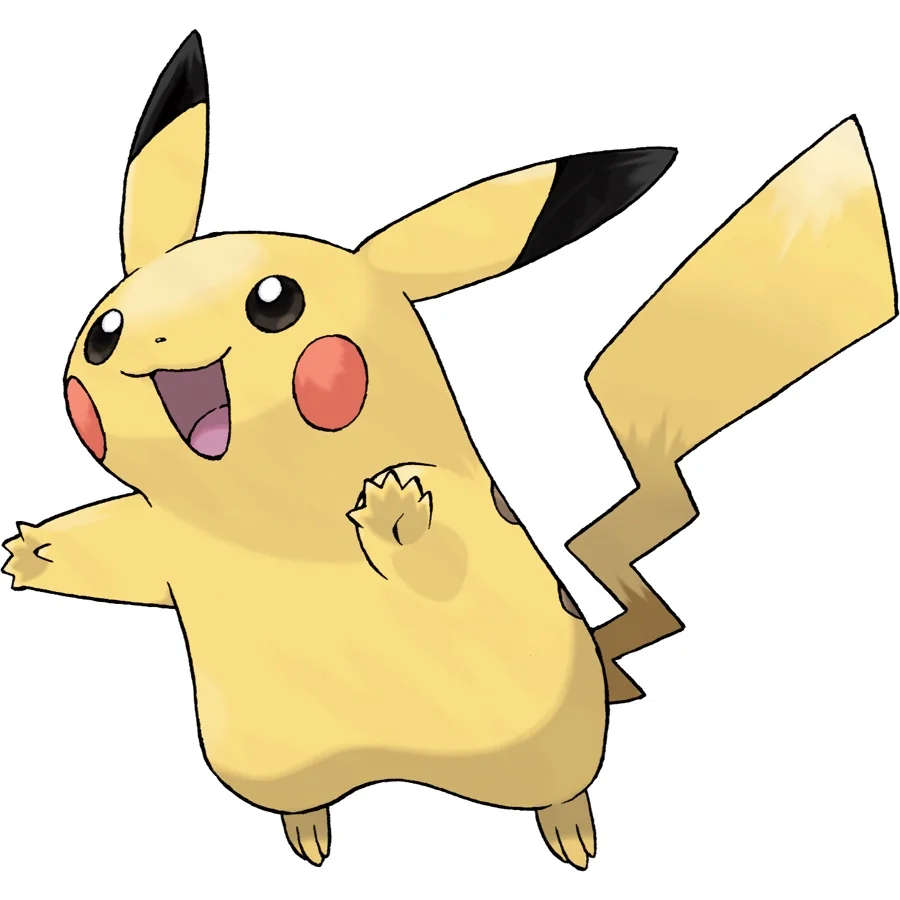
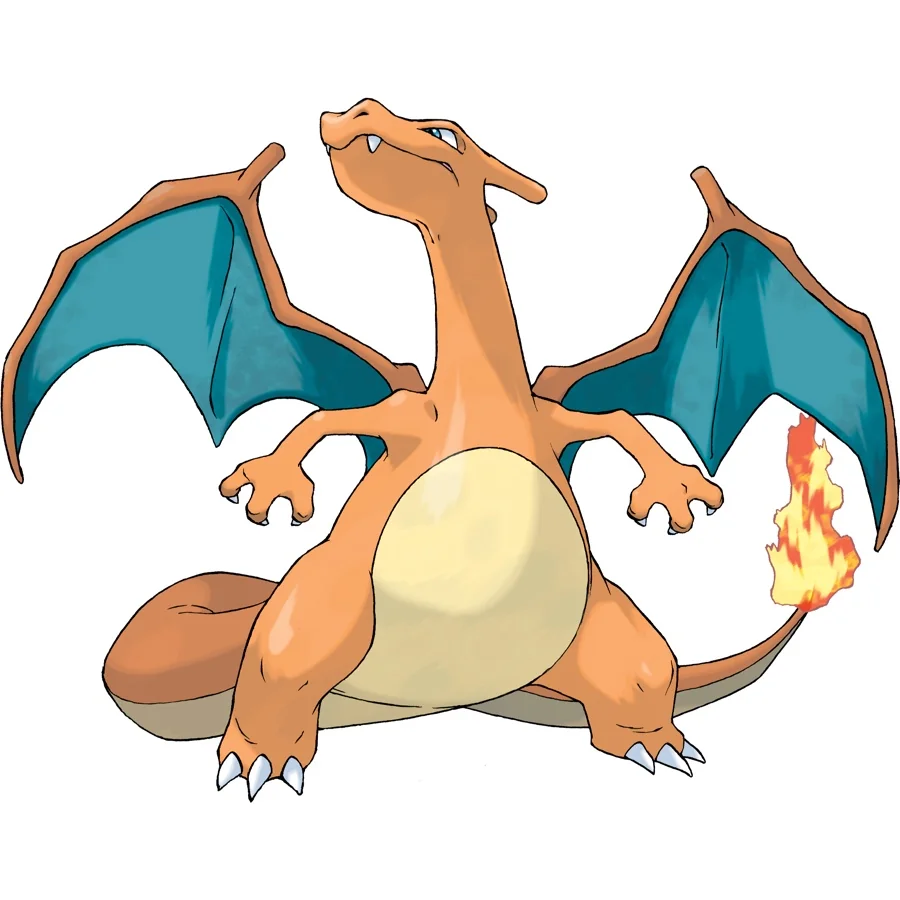
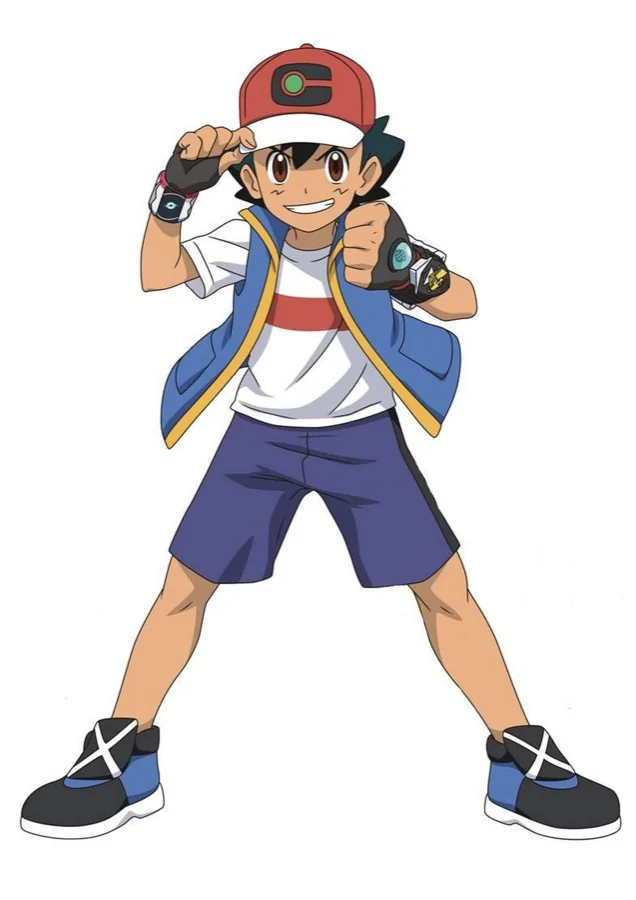
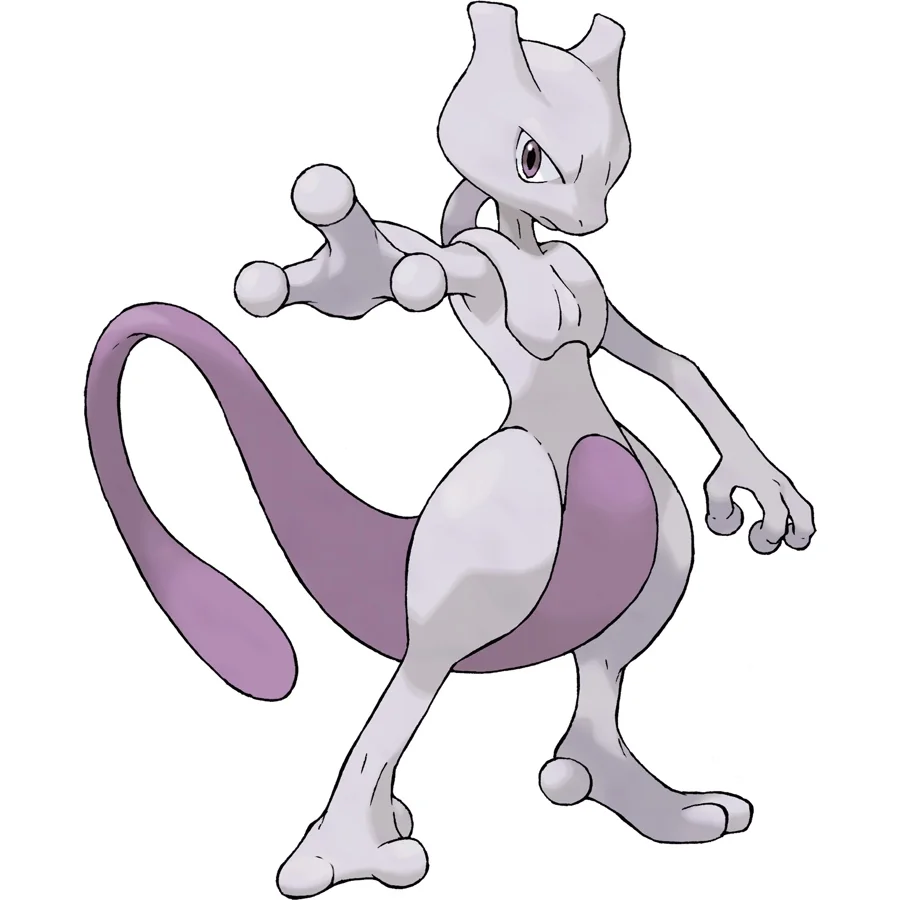
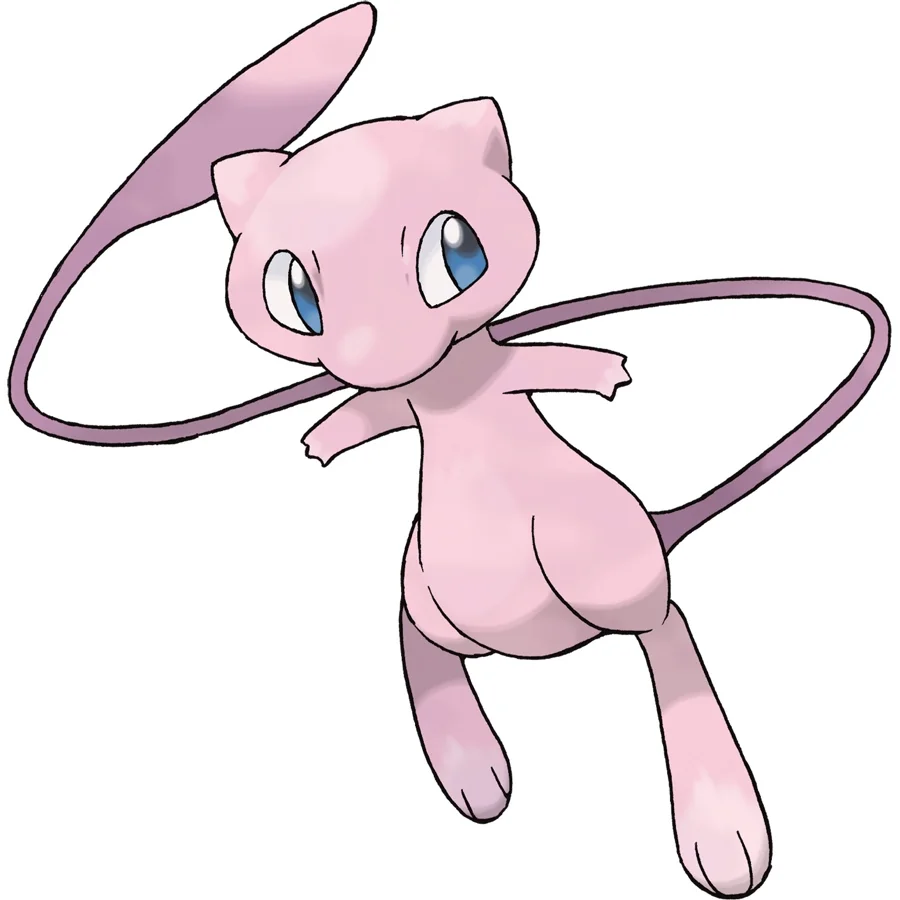
Official artwork, The Pokemon Company / Nintendo / Game Freak. Used here for editorial commentary on the characters featured in the trading card game.
The world map
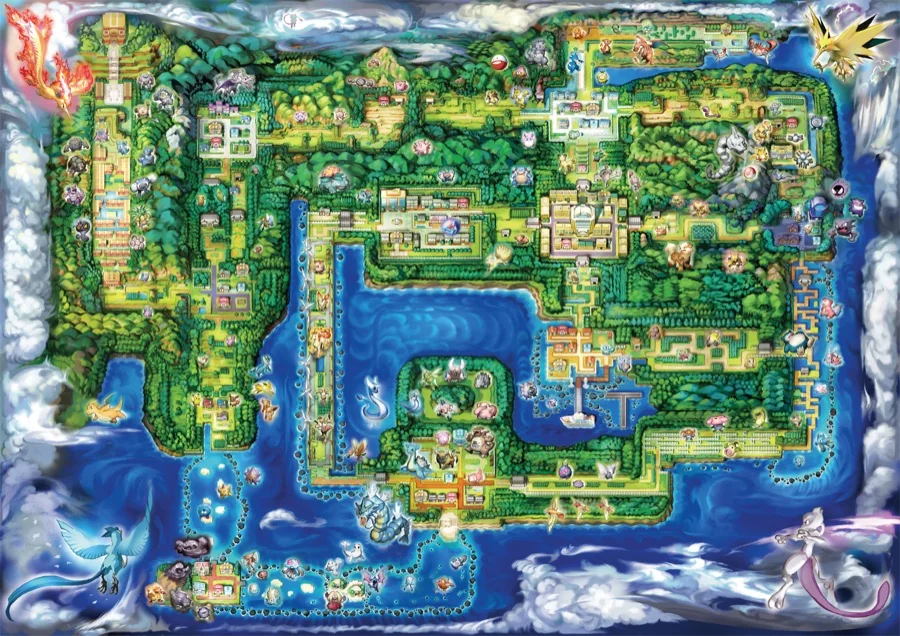
Official region artwork, The Pokemon Company / Nintendo / Game Freak, via Bulbagarden Archives. Kanto is the original region and the setting of the first games and the original 151.
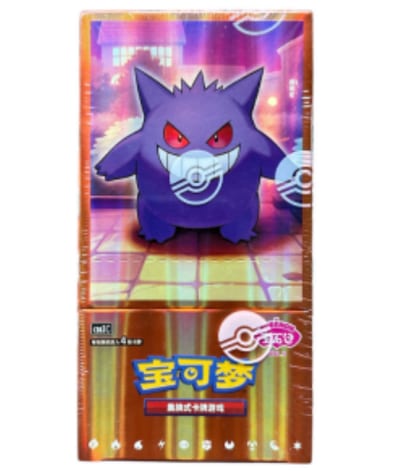
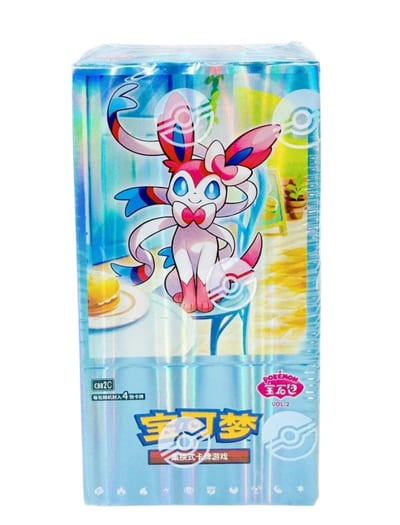
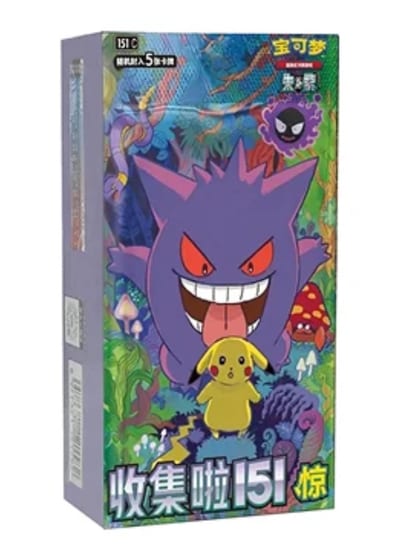
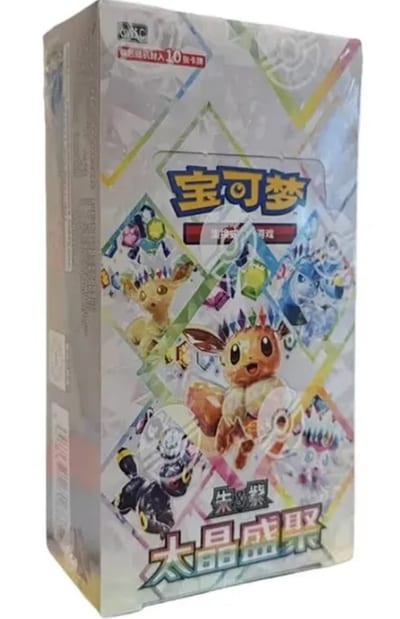
In the case right now
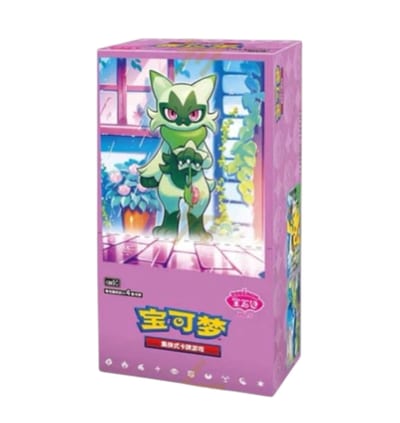
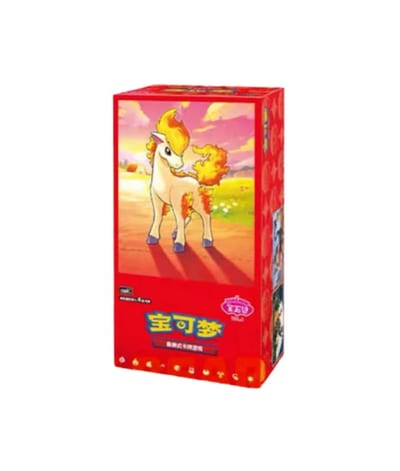
Real photos, pulled live from our shelf.
The bigger picture
The games and the anime are not the same story, and that trips people up. The games are numbered by generation, starting with Red and Blue in Japan in 1996 and continuing straight through to today. Each generation adds a region, a new set of Pokemon, and usually a new mechanic layered onto the same catch-and-battle core. The anime runs alongside the games loosely, not as a direct adaptation. It follows its own cast, on its own pace, hitting the same regions years apart from when the games did.
Across both, a few story shapes repeat. A Trainer arrives somewhere new, picks up a starter Pokemon, and works toward the League. Somewhere along the way a villain organization tries to bend Pokemon to a bigger, uglier purpose, and gets stopped by kids with a Pokedex. Team Rocket is the original version of this and still the most famous. In the games, Team Rocket is an organized crime outfit running out of Kanto, stealing Pokemon and cornering markets under a boss named Giovanni. In the anime, that same organization gets represented for most of its run by three field agents, Jessie, James, and a talking Meowth, who spend season after season trying and failing to steal Ash's Pikachu. They are jokes in the show and a real threat in the games, which is its own interesting split.
Every later generation ran its own version of that shape with a different organization and a different angle. Some want to reshape the world with ancient legendary Pokemon. Some frame themselves as liberators, freeing Pokemon from Trainers entirely, and force the story to ask whether they have a point. A few are just profiteers with better branding. None of it requires you to know the last one to follow the next one, which is part of why new players can walk into any generation cold.
The legendary and mythical Pokemon are where the lore gets genuinely deep. Many regions have their own creation myth built around one or two of these creatures - a Pokemon that is said to have shaped the region's landscape, or split time and space, or given rise to every other Pokemon in existence. These are not side characters. They are usually the reason a given game's story exists at all, and the reason certain cards get treated as the crown jewel of a set.
That last point is the one that matters at the counter. Collectors do not chase cards at random. They chase the characters and eras that carry weight in the story - the original 151 from Kanto, the starter evolutions like Charizard and Blastoise, the legendary trios and box-art mascots that anchor a set's identity. Early-era holo cards of iconic characters draw outsized attention because they sit at the intersection of nostalgia, scarcity, and a character people already loved before they ever pulled the card. Newer sets built around a fresh legendary or a popular Alolan or Paldean form can spike the same way, for the same reason: the character means something before the card does.
That is also why two cards with the same rarity symbol can move completely differently in our case. A holo rare of a forgettable Pokemon from a forgettable set sits. A holo rare of a Pokemon tied to a region's core myth, or to a character people grew up watching, does not. The lore is not trivia. It is most of what decides which cards people are actually looking for when they walk in the door.
If a set or a character mentioned here catches your eye, you can see what is currently in our case on the Pokemon shelf. Stock changes fast, and the count on the site is the real one.